

Inside This Article:
- A semi-trailer crash in Michigan earlier this year spilled about 26,000 pounds of plastic pellets across 11 miles of roadway.
- The polystyrene plastic “nurdles” were also found in the Kalamazoo River following the release, which included an additional spill during towing.
- The nurdles sank into the river sediment, making full recovery challenging and costly.
- A recent report found hazardous materials transit incidents have surged 84.8% since 2010.
- Environmental Insurance is a critical protection for transportation companies, as standard liability policies typically exclude pollution events.
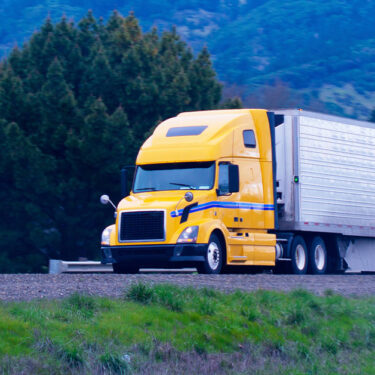
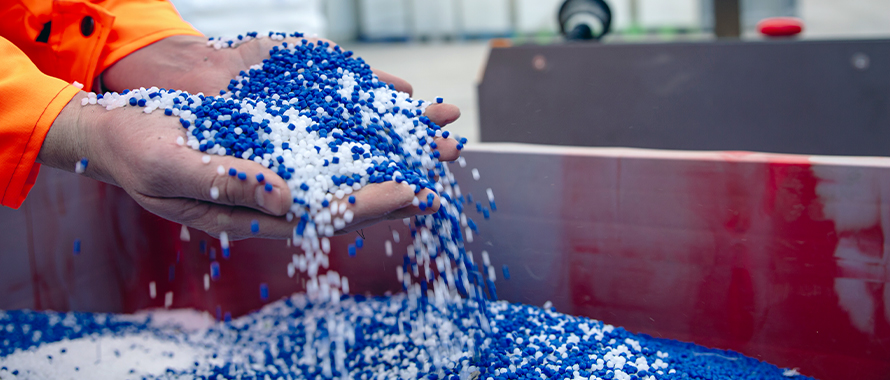
A Michigan trucking crash has turned into a prolonged environmental cleanup effort after tens of thousands of pounds of plastic pellets spilled into surrounding infrastructure and waterways. The Jan. 27 incident, in which a semi-trailer crashed on an Interstate 196 overpass during a snowstorm, released an estimated 26,000 pounds of “nurdles,” the Detroit News reported. Additional pellets reportedly spilled when the truck was towed away without securing the cargo. Sources said the white plastic pellets were found “all over the roadside” across at least 11 miles of highway.
Cleanup efforts, which have expanded into drainage systems and the Kalamazoo River, are complicated in part due to the polystyrene plastic pieces sinking into the river sediment. State officials are continuing to assess and monitor the spill using drone technology, the Michigan Department of Environment, Great Lakes, and Energy noted in a May 1 report.
“It is likely going to be a big loss,” said Jorge Oviedo, Underwriter, Transportation, Burns & Wilcox, Dallas/Ft. Worth, Texas. The spill being worsened by the towing operation is a “shock,” he added. “A towing company would not usually come before the initial hazmat cleanup, where they would determine how severe it is and properly secure the potentially hazardous materials. That is a major concern.”

A towing company would not usually come before the initial hazmat cleanup, where they would determine how severe it is and properly secure the potentially hazardous materials. That is a major concern.
Cleanup costs and regulatory fines can be significant in this type of incident and are often excluded under standard Truckers Auto Liability Insurance and Commercial General Liability (CGL) Insurance policies, making specific Environmental Insurance policies a necessity for transportation companies, said Beth Linton, Vice President, Environmental Brokerage, Burns & Wilcox, Brokerage Division, Atlanta, Georgia.
“Cleanup and response costs are already being incurred, reinforcing that this is an environmental loss, not merely an operational accident,” Linton said. “This incident demonstrates why Pollution Liability Insurance exists — to address unintended releases that cause environmental contamination and third-party exposure.”

This incident demonstrates why Pollution Liability Insurance exists — to address unintended releases that cause environmental contamination and third-party exposure.
Microplastics: an emerging environmental threat
The nurdles released in the Michigan crash are considered microplastics, which can take the form of fragments of plastic debris or tiny plastic particles used as raw materials in manufacturing. About 10 to 40 million metric tons of microplastics are released into the environment annually, representing a growing public health concern, according to Stanford Medicine.
While federal and state agencies continue to study the impact of microplastic contamination, it is not necessary for a material to be officially classified as hazardous to trigger pollution concerns, Linton said. “Microplastics are already associated with ecosystem disruption and growing regulatory scrutiny,” she said.
Recovery costs related to a trucking accident and microplastic spill may be addressed through multiple types of insurance. A transportation company’s Motor Truck Cargo Insurance can respond to damaged or lost cargo, while Transportation Pollution Liability (TPL) Insurance is a type of Environmental Insurance designed to address environmental contamination events. “Plastics can meet standard policy definitions of pollutants,” Linton said. “Once released into the environment, plastic pellets act as solid contaminants.”
Plastics can meet standard policy definitions of pollutants. Once released into the environment, plastic pellets act as solid contaminants.
Additional coverage could come from Auto Physical Damage Insurance, which is designed to cover physical damage to the insured vehicle from collisions and other events. When purchasing Transportation Insurance policies, companies should not assume their operations fall outside environmental risk considerations, Oviedo said. “We are hearing a lot about microplastics right now,” he said. A company hauling nurdles, for example, “would definitely need to have Pollution Liability coverage.”
The risk of coverage gaps
Transportation companies hauling a variety of goods can face pollution exposure. A semi-truck crash in Washington state last year led to the release of 14 million honeybees, while in 2024, a tanker truck overturned, releasing 77,000 salmon into a creek in Oregon.
When incidents like this occur, cleanup costs can escalate into millions of dollars, depending on the scope of contamination. Even materials that are not traditionally considered hazardous can trigger significant financial exposure due to a release. Many insurance policies exclude pollution events, putting companies at risk for gaps in coverage. “Pollution exclusions in CGL Insurance policies often apply broadly once environmental contamination is alleged,” Linton said.
In addition to cleanup expenses, TPL Insurance can help pay for third-party claims, regulatory fines and penalties, legal defense costs, and more. This coverage can apply “regardless of whether a material is formally regulated,” she said. “Pollution Liability policies are designed to address scientific uncertainty and regulatory lag. Regulation is not the only trigger for liability.”
According to Linton, TPL Insurance policies typically respond to “sudden and accidental” releases that meet specific criteria, including identifiable timing and accidental cause. Third-party liability can be triggered when pollutants affect public roadways, waterways, or surrounding communities.
When seeking this type of insurance, transportation companies typically need to share the details of their operations, Oviedo said. “When we look at an account, we are looking at what is being hauled, the driver’s experience, and how the cargo is secured,” he said. “We take time to study every account. It is important that they have the right protection in place.”
When we look at an account, we are looking at what is being hauled, the driver’s experience, and how the cargo is secured. … It is important that they have the right protection in place.
Trucking accidents ‘always a risk’
A recent analysis by compliance software company Trace One found that hazardous materials transit incidents have surged 84.8% since 2010, based on U.S. Department of Transportation data. There was a total of 27,355 hazmat transit incidents in 2025, with highway transport as the most common source of incidents, according to the analysis. These events “highlight the importance of Environmental Insurance,” Linton said.
As environmental risks evolve, transportation companies are encouraged to emphasize safety and risk management, Oviedo said. “One of the things that I have seen, especially in the last few years, is companies are requiring cameras on their vehicles,” he said. “That is going to help a lot. Then we will know exactly what happened in an accident.”
They should also work with a specialized insurance broker to evaluate their risks and ensure they are properly protected. Even with improved technology and driver training, the potential for costly accidents cannot be eliminated entirely, Oviedo said. “There is always a risk,” he said. “That is the reason why we have insurance.”